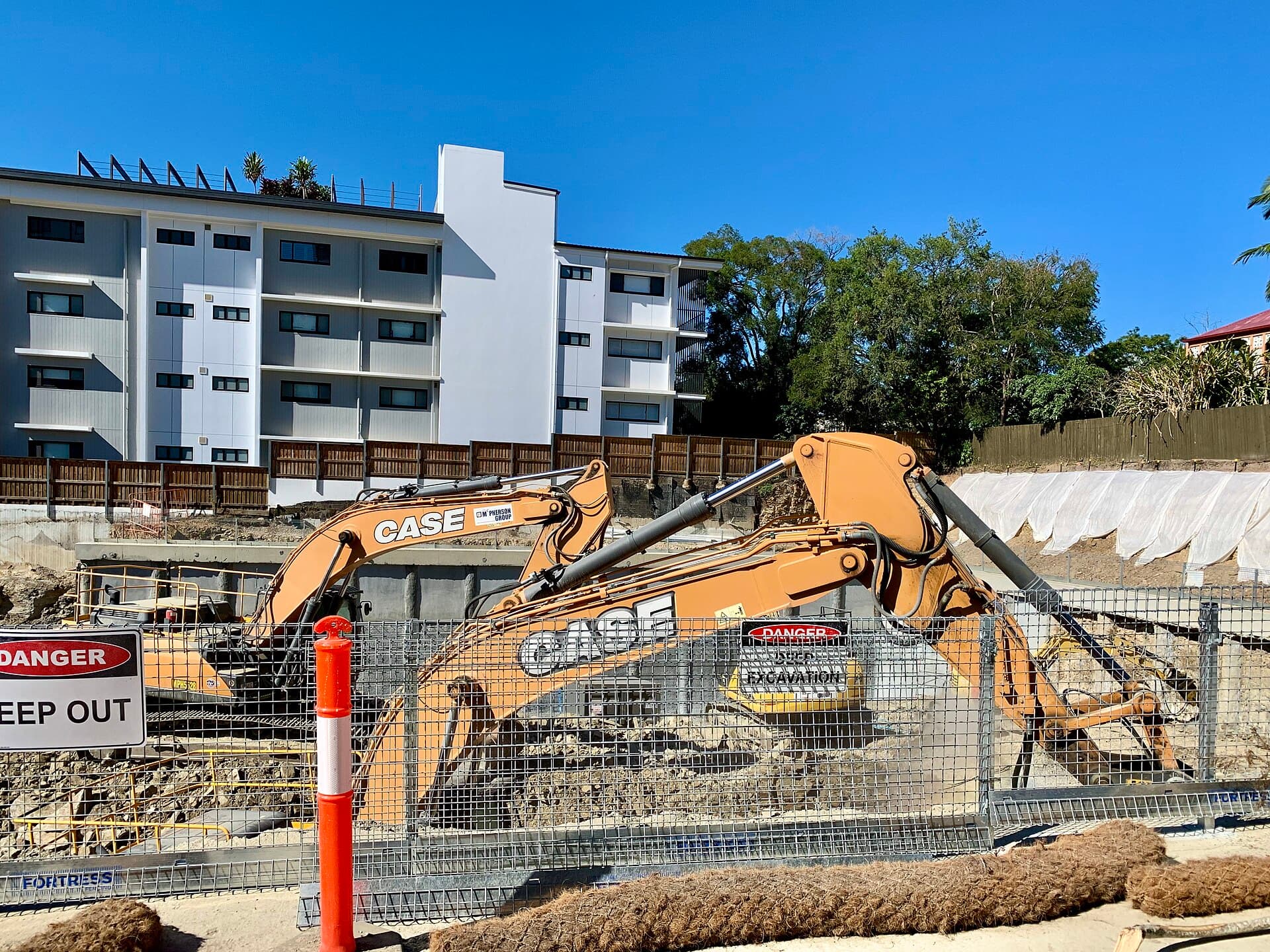
A landscape contractor in western Sydney runs a dual-cab ute, a six-tonne tipper and a three-tonne mini-excavator on a trailer. At month-end the card statement is a list of diesel docks. Three of those docks are not the same claim. The excavator is usually a fuel-tax-credit story. The tipper is a heavy-vehicle story at a reduced rate. The ute, on public roads, is usually only a GST story — and even then only for the business slice.
Fuel tax credits are one of the most commonly muddled lines on an Australian activity statement. People treat them as “GST on diesel with a different name”, or they apply a rate they memorised in 2019, or they claim the ute because the doors have a logo. The ATO publishes rates that change. This journal will not invent cents-per-litre figures. Use the current ATO rate table or calculator for the period you acquired the fuel.
This essay is general information for Australian readers. It is not tax, legal or BAS advice. Eligibility, vehicle-mass tests and rates sit on the ATO fuel-tax-credit pages and in the fuel-tax law. Confirm them for your fleet before you lodge label 7D.
Two credits, two labels, two calculations
GST is 10 per cent. If you are registered and the fuel is a creditable acquisition, you claim the GST on the tax invoice at 1B (GST on purchases), reduced for private use. That calculation is a percentage of the price.
A fuel tax credit is a credit of the fuel tax already built into Australian fuel prices. You claim it at label 7D on the activity statement. The calculation is litres × the ATO rate that applies to that fuel, that period, and that use. The rate for diesel used in a heavy vehicle on a public road is not the rate for diesel used in an excavator in a backyard. The rate this August is not the rate last February.
You can claim GST and a fuel tax credit on the same fill if both tests are met. You can claim GST and no fuel tax credit (the light ute on the M4). You can have fuel that is not creditable for GST (private) and also ineligible for a fuel tax credit. Do not add the two together in one account called “fuel refunds”.
Put them on the chart of accounts as:
- motor fuel expense (GST-exclusive)
- GST on fuel (through the GST control)
- fuel tax credit income or contra, clearing to 7D
If 7D does not equal the clearing account, the BAS is not a reprint. See the lodgement calendar.
What usually qualifies, in a trades file
The landscape contractor’s kit is a useful map. Apply it, do not copy it blindly.
Light vehicles on public roads. Cars, vans and most work utes with a gross vehicle mass of 4.5 tonnes or less, travelling on public roads, are generally not eligible for fuel tax credits. The diesel in the dual-cab on the way to a site in Penrith is in this bucket. You may still claim the GST on the business portion if you are registered and you hold a tax invoice.
Heavy vehicles on public roads. Vehicles with a GVM greater than 4.5 tonnes travelling on public roads are generally eligible, at a reduced rate. The road user charge is taken into account in the ATO’s published heavy-vehicle rate. The six-tonne tipper going to the waste facility is this bucket. You still need the litres, the date, and the vehicle.
Off-road business use, plant and equipment. Fuel used in machinery, plant, and vehicles that are not travelling on a public road is generally eligible at the higher applicable rate for that fuel. The mini-excavator digging a retaining wall in a backyard is this bucket. So is a generator on site, a chainsaw used in the business, and — carefully — auxiliary equipment.
Auxiliary equipment. A truck-mounted crane or a compressor that runs off the vehicle’s fuel can have a split: travel on the road at the heavy-vehicle rate, equipment use at the off-road rate. You need a reasonable method (hours, a manufacturer factor, a log) and you need to keep it. Do not invent a 50/50 because it is tidy.
Packaged fuels and minor equipment. Two-stroke for blowers, fuel for small plant — often eligible if the use is a qualifying business use. Keep the dockets and a note of which machine.
Check GVM on the compliance plate, not on the sales brochure and not on “it feels heavy”. A dual-cab on a 4.5-tonne plate is not a heavy vehicle because you loaded sandstone.
What usually does not
- petrol or diesel in a light vehicle on a public road, including the trip between home and the yard if that trip is ordinary commuting
- fuel used privately — the Sunday tip run for the owner’s own soil
- fuel you cannot evidence by litres and use
- a rate applied to dollars. Credits are a litres calculation. A $120 fill is not “$120 times something”.
Emergency vehicles, certain agricultural uses and some marine or aviation fuels have their own pages. If you are not obviously a heavy vehicle, a machine, or a specified off-road use, stop and read the ATO list. Do not take a forum’s word.
Rates change — use the table, not your memory
The ATO updates fuel tax credit rates. Indexation and the road user charge have historically moved them more than once a year. This journal will not print a cents-per-litre figure that will be wrong by the time you read it.
For each claim period:
- Download or screenshot the ATO rate table that applies to the dates you acquired the fuel.
- Split your litres by fuel type (diesel, petrol, LPG, and so on) and by use (heavy on-road, off-road, auxiliary, packaged).
- Multiply. Round the way the ATO instructions say for that period.
- Keep the table with the working papers.
If you acquire fuel in June and lodge the June quarter in July, use the June-period rates for that fuel, not the rates that apply on lodgement day. Acquisition date drives the rate.
Software add-ons that “calculate FTC” are only as good as the vehicle list and the rate file you gave them. Review the first quarter’s workings by hand.
Records that survive a review
Fuel tax credit reviews are documentary. The ATO asks for litres, not vibes. Keep, for five years from lodgement:
- tax invoices or dockets that show litres, fuel type, date, supplier and price (you need the same dockets for GST)
- a fleet list: registration, GVM, what it is used for
- odometer or hour-meter readings at reasonable intervals for anything you split
- a note of the method you use for auxiliary equipment
- the rate table you applied
- the spreadsheet that gets you to 7D
A card statement that says AMPOL BLACKTOWN 180.00 is not enough. It does not show litres, and it does not show whether the excavator or the ute drank.
Phone photos of dockets are fine if they are complete and readable. Thermal dockets fade inside the five-year window; photograph them the week you fill. See source documents and the five-year rule.
If several vehicles fill on one card, write the registration on the docket before you leave the bowser. The western Sydney landscaper who fills the tipper and the ute on the same stop and codes the lot to “excavator — off road” is manufacturing a credit.
GST on fuel is still a mixed-use problem
Registration for GST is the door to 1B. If you are not registered, there is no GST credit, and fuel tax credits have their own registration and claiming path through the activity statement — do not assume one registration covers a mental model of “all fuel refunds”. Most readers of this journal who claim 7D are already GST-registered.
Private use reduces the GST credit. It can also reduce or eliminate the fuel tax credit if the use is not a qualifying business use. The tipper that the owner’s son uses to move a private skip on Saturday is not 100 per cent eligible because it is a work truck.
Logbooks and hour meters are how you stop inventing 90 per cent. Super Guarantee at 12 per cent from 1 July 2025 and Payday Super from 1 July 2026 do not change the fuel math, but they do change the month-end: the same close that checks super should check 7D. One ritual, several clearing accounts.
How label 7D should reprint
At each BAS:
- List litres by vehicle or machine, by fuel, by use, for the tax period. On cash GST you still claim fuel tax credits by acquisition and eligibility, not by “when I felt like coding the card”. Do not invent a hybrid.
- Apply the current ATO rates for those acquisitions.
- Post the credit to the clearing account.
- Enter the same number at 7D.
- Check that 1B includes only the GST you are entitled to on those same dockets, after private use.
If you are on Simpler BAS, 7D is not one of the boxes that disappeared. You still lodge it. G10 disappearing is not a reason to stop listing the excavator as plant.
A quarterly working paper for the landscaper might read:
- ute (4.5 t or under, public roads): 420 L diesel — GST only, 80 per cent business on the logbook — no 7D
- tipper (6.2 t GVM, public roads): 680 L diesel — GST plus 7D at the heavy-vehicle rate for those dates
- excavator (off-road): 310 L diesel — GST plus 7D at the off-road rate for those dates
- blower (packaged two-stroke): 12 L — 7D at the packaged / small-equipment rate if eligible
The cents are whatever the ATO table says that quarter. The structure does not change.
Common ways this goes wrong
Claiming the ute. The most popular error. GVM 4.5 tonnes or under, public road, no credit. Logo irrelevant.
Using last year’s rate. Quiet, material, and easy to fix going forward. Keep the table.
Claiming dollars. A credit calculated on $2,400 of fuel is not a fuel tax credit.
Ignoring the road user charge. Applying the off-road rate to the tipper’s highway kilometres over-claims. The ATO’s heavy-vehicle rate already does the reduction; use that rate, do not invent your own subtraction unless you are following a published method for a split use.
No split when there is auxiliary use. The opposite error: applying only the heavy-vehicle rate to a crane truck that spent the week lifting steel on a closed site.
Lost dockets, reconstructed litres from dollars and a guessed pump price. That reconstruction will not survive a review. If the docket is gone, you may still have a GST problem and you should not guess 7D.
Coding fuel to materials so it hits job cost but never hits the FTC worksheet. Job cost and 7D can both be true. Use a fuel account that the worksheet can see.
A boutique habit for a small fleet
The original Rosebery and Perth files that claimed fuel tax credits had a clipboard in the glovebox of the heavy vehicle and a folder called “FTC” in the year box. Each month someone typed litres into a four-column sheet: date, plant, litres, use. At quarter-end they opened the ATO page, wrote the rates at the top, and multiplied. The activity statement was a reprint.
You can do that with three vehicles. You cannot do it with a card feed and a feeling.
If the fleet grows — a second tipper, a wet-hire arrangement, fuel left in a hired machine — stop and re-read the ATO page. Wet hire and fuel you did not acquire can change who claims. Do not claim 7D on litres you did not buy.
Company tax at 25 per cent for a base-rate entity, or 30 per cent otherwise, will pick up the net fuel expense after credits. That is a reason to get 7D right, not a reason to inflate it.
The BAS and GST hub is where this line belongs: a label with a rate you looked up, litres you can show, and a ute you left out on purpose. That is the unfashionable version of a fuel claim, and it is the one a tax agent can use.